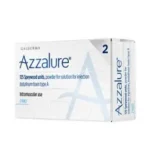
Botox/Botulinum toxin Type A
Botox, is a wrinkle softening treatment formally approved for cosmetic use. Botox (Botulinum toxin type A) injections remove facial lines and wrinkles, proven to reduce the visible signs of ageing in men and women.
Botox may also be used to reduce Excessive Sweating caused by hyperhydrosis, a condition which affects the hands, armpits, chest and feet.
Botox may also be used to reduce Excessive Sweating caused by hyperhydrosis, a condition which affects the hands, armpits, chest and feet.


Botox injections are safe and quick and can be combined with other treatments such as Dermal Fillers and Chemical Peels leading to an even greater aesthetic result.
Botox relaxes the facial muscles responsible for the creation of wrinkles. It is injected directly into the muscle; the complete effect appearing after approximately 5-14 day.
Botox works effectively on the wrinkles of the upper face: forehead wrinkles, wrinkles around the eyes crow’s-feet’ and glabellar wrinkles. Botox is extremely safe when used on the face.
There have been no reports of allergy cases of systemic reactions.
The treatment can be repeated, and persistent maintenance can be obtained by two or three annual treatments.
If you are thinking about getting Botox but worried about looking unnatural, expressionless or ‘frozen-faced’, you shouldn’t. When done right and by an experienced professional, Botox can offer a subtlety rejuvenated and natural look, and can even help to prevent wrinkles forming in the future.
Mr Giovanni Ferrando is a highly experienced consultant plastic and reconstructive surgeon based privately in London and Barbados. As an expert in administering Botox, he explains what the substance is, how it works and what you should be looking out for when choosing a Botox provider to avoid undesirable results.
Botox – also known as botulinum toxin – is a neurotoxic protein that temporarily blocks impulses from the nerves to the muscles, resulting in a weaker, or paralysed muscle that can’t contract. The affected muscle appears more relaxed which consequently reduces the presence of wrinkles and in some case, slightly raises the eyebrow. This effect gives the face a younger and more rested appearance; however, it isn’t permanent, and after five or six months the effect will disappear and the muscle will regain its strength.
Botox can work in various areas of the face and body. However, it is typically used in the face and more specifically, the superior third of the face.
This consists of the area above the eyes and the forehead and is where the ageing process is more prominent due to the over contraction of the muscles which over time results in wrinkles. Relaxing the right muscles in this area using botox is one of the best anti-ageing treatments.
Avoiding an unnatural result depends on the ability and experience of the doctor or surgeon carrying out the procedure. Some types of botox are stronger than others therefore, it is important to correctly calculate the dosage otherwise if the injected units are not well calculated, you can end up with an unnatural appearance, ‘Spock brows’, or how many describe it; the ‘frozen look’.
When the beneficial effects of the Botox injection begin to diminish, usually after 4 months, the wrinkles slowly reappear but they are fewer and less pronounced.
You can repeat the treatment two or three times per year. I don’t recommend having it more often than that, however, it depends on the strength of the muscle and other individual variables.
Side effects from Botox are very uncommon. They depend mainly on the experience of the doctor or surgeon. If the professional doesn’t have sound knowledge of the substance and skill in administering it, the final result may not be as desirable as you’d hoped. It is very important that the specialist carrying out the procedure full understands the anatomy of the head muscles and has sufficient experience to reach the best result.
What should I look for in a Botox provider?
Side effects from Botox are very uncommon. They depend mainly on the experience of the doctor or surgeon. If the professional doesn’t have sound knowledge of the substance and skill in administering it, the final result may not be as desirable as you’d hoped. It is very important that the specialist carrying out the procedure full understands the anatomy of the head muscles and has sufficient experience to reach the best result.