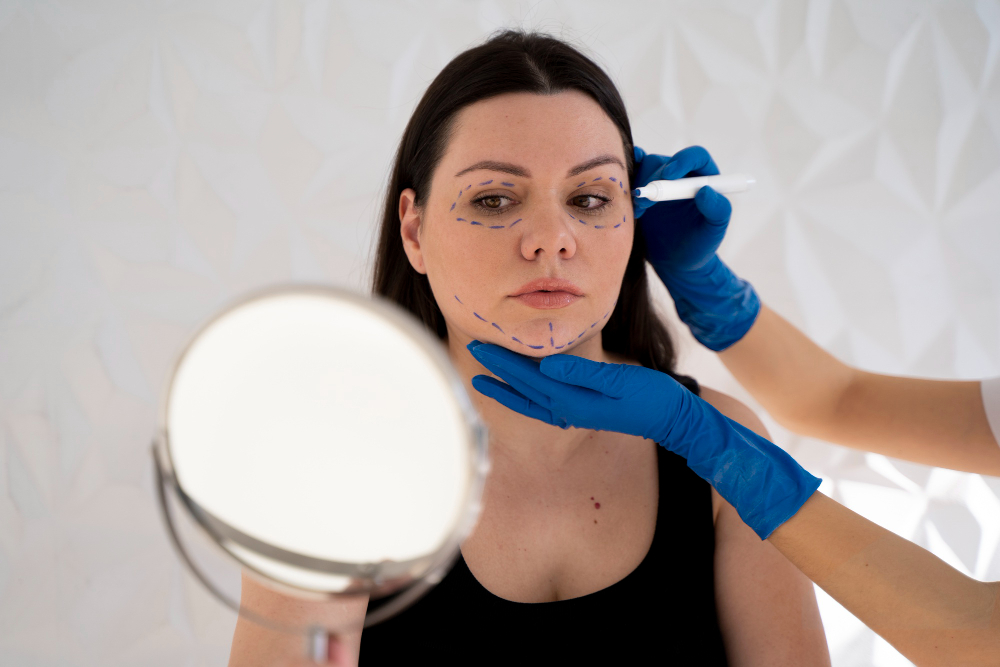
When considering cosmetic surgery, it can be tempting to view the procedure as a commodity, where one provider is much like another. This perspective, however, overlooks the single most important factor in achieving a beautiful and safe outcome: the expertise of your surgeon. Cosmetic surgery is a unique blend of medical science and fine art, and the person holding the scalpel is not just a technician, but a craftsman and an artist. Their level of experience is the foundation upon which a successful result is built.
An expert surgeon brings more than just the ability to perform a procedure. They bring years of accumulated knowledge, a nuanced understanding of anatomy, and an intuitive sense of aesthetics. This depth of surgical expertise is not something that can be learned overnight; it is forged over thousands of hours in the operating room, managing both straightforward cases and unexpected complexities.
What Defines a Truly “Expert Surgeon”?
In a crowded market, many practitioners may claim to be experts. However, a truly qualified plastic surgeon is defined by a specific set of verifiable credentials and qualities. Patients should look for:
Qualification | Why It Is Essential |
Board Certification | This is the gold standard. A board-certified surgeon has completed years of specialised training in plastic surgery and has passed rigorous written and oral examinations. It is a guarantee of a high level of knowledge and skill. |
Professional Memberships | Affiliation with respected bodies (like BAAPS or ISAPS) indicates a commitment to ongoing education, ethical practice, and peer review. |
Extensive Experience | A surgeon who has performed thousands of procedures has encountered a wide variety of anatomical variations and challenges, making them better prepared to deliver consistent results and handle any situation. |
Specialised Focus | An expert often has a deep focus in certain areas (e.g., facial surgery, breast surgery), leading to a higher level of mastery in those procedures. |
Experience: The Difference Between Good and Great Results
An experienced surgeon’s value becomes most apparent in their ability to:
- Create Natural Results: The goal of great cosmetic surgery is to enhance, not to transform. An expert understands how to create natural results that are in harmony with a patient’s overall features, avoiding an “operated-on” look.
- Handle Complexity: Every patient is unique. An experienced surgeon can adapt their technique to suit individual anatomy and can confidently manage unexpected challenges that may arise during surgery.
- Minimise Risks: Deep experience translates to a more refined, efficient surgical technique, which can lead to less tissue trauma, quicker recovery times, and a lower risk of complications.
Over Three Decades of Masterful Artistry
With over 30 years of dedicated experience in plastic and reconstructive surgery, Dr. Giovanni Ferrando embodies the true meaning of surgical expertise. His international reputation is built on a foundation of thousands of successful procedures and a deep commitment to the art of creating subtle, elegant, and natural-looking enhancements. He is a board-certified surgeon who combines technical precision with a sophisticated artistic eye, ensuring that each patient’s unique beauty is respected and refined.
Choosing a surgeon is the most critical decision you will make on your cosmetic surgery journey. By prioritising experience and verifiable qualifications, you are not just paying for a procedure; you are investing in the peace of mind that comes from being in the hands of a true master.
Discover the difference that experience makes.
Book a consultation now to discuss your aesthetic goals with Dr. Giovanni Ferrando.