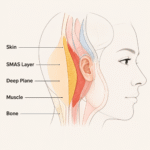
Swelling and bruising are normal consequences of surgery — proof, in their way, that the body is healing as it should. But they are also the aspect of recovery patients most want to manage, both because they affect how patients feel about themselves in the short term and because they influence return-to-work timing. There is a lot of folk advice on this topic, much of it useless. Here is what genuinely makes a difference.
Why Swelling Happens
Surgical swelling has two components: an immediate inflammatory response in the days after surgery, and a longer-term phase as the lymphatic system reorganises itself around the operated tissue. The first phase peaks at forty-eight to seventy-two hours and resolves substantially over the following two weeks. The second phase can continue for months, particularly after facial surgery and tummy tucks.
Bruising: Why It Appears Where It Does
Bruising is caused by small blood vessels that have leaked during the procedure. Gravity moves the blood downward over the following days, which is why bruising often appears below the surgical site — under the eyes after a facelift, down the chest after breast surgery, around the abdomen after liposuction. Discolouration progresses through purple, blue, green, yellow and then resolves over ten to fourteen days.
What Genuinely Helps
| Intervention | Evidence and Practical Notes |
|---|---|
| Elevation | The single most effective intervention. Head elevated for facial surgery; legs elevated for lower body work. |
| Cold compresses | Effective in the first 48 hours only. Indirect application; never directly on the wound. |
| Compression garments | Essential after liposuction and abdominal work. Worn as directed. |
| Adequate protein intake | Supports tissue repair and reduces swelling persistence. |
| Hydration | Counter-intuitive but true: well-hydrated patients have less persistent swelling. |
| Lymphatic drainage massage | From around 2 weeks post-op, performed by a trained therapist. Useful particularly for facial and body work. |
| Arnica | Some evidence of modest benefit for bruising; safe to take and widely recommended. |
| Bromelain (pineapple enzyme) | Limited but supportive evidence for reduced swelling. |
What Doesn’t Help (Despite the Hype)
- Vitamin E supplementation — minimal evidence and may interfere with clotting
- “Detox” teas or juices — no evidence
- Aggressive massage in the first ten days — can worsen bleeding into tissues
- Excessive cold application beyond the first two days — can compromise blood supply
- Heat application to bruised areas — actively unhelpful in the early phase
The Salt and Alcohol Question
High salt intake increases fluid retention and prolongs swelling. Alcohol dilates blood vessels and worsens bruising. Both should be minimised in the first two weeks. This is not abstinence — most patients reintroduce both moderately around week two — but it is meaningful restraint in the early phase.
When Swelling Is a Concern
Most swelling is normal. Contact your surgical team if you notice swelling that is unilateral (one side dramatically more than the other), develops suddenly after initially settling, is associated with significant pain, or is accompanied by redness, warmth or fever. These can indicate complications that benefit from prompt assessment.
The Longer Arc of Resolution
Patients often feel that swelling has plateaued at the three-to-four-week mark. This is illusory — significant subtle settling continues over the following months. By three months most patients look essentially well. By six months they look better than they did at three. The final result, particularly after facial surgery, emerges over a full year.
Dr. Ferrando’s Approach
Dr. Giovanni Ferrando, FRCS (Plast), provides every patient with a written swelling and bruising management protocol specific to their procedure. He recommends qualified lymphatic drainage therapists where appropriate, and his clinical team is available for any concern throughout the recovery period.
Frequently Asked Questions
How long until visible bruising resolves?
Typically ten to fourteen days, faster with arnica and elevation.
Can I take ibuprofen for swelling?
Not in the first two weeks, as it increases bleeding risk. Paracetamol is the safer choice early on.
When can I have lymphatic drainage massage?
Usually from week two onwards, by a therapist trained in post-surgical work. Confirm timing with your surgical team.
Will I look “normal” by the time I return to work?
For most procedures, yes — assuming you have followed the recommended return-to-work timeline.
References & Further Reading
Related articles from this clinic
External authoritative resources
Considering surgery in London? Book a consultation with Dr. Giovanni Ferrando for a comprehensive understanding of recovery management. Read more in our FAQs.
Helpful Resources & Next Steps: For patient results, explore our Before & After Gallery, discover our specialist post-treatment care including Hyaluronic Acid Rejuvenating Face Cream, learn more in our Recovery & Aftercare section, read our companion guide: Nutrition for Healing: What to Eat Before and After Cosmetic Surgery. To discuss your personal treatment plan, book a consultation with Dr Giovanni Ferrando.