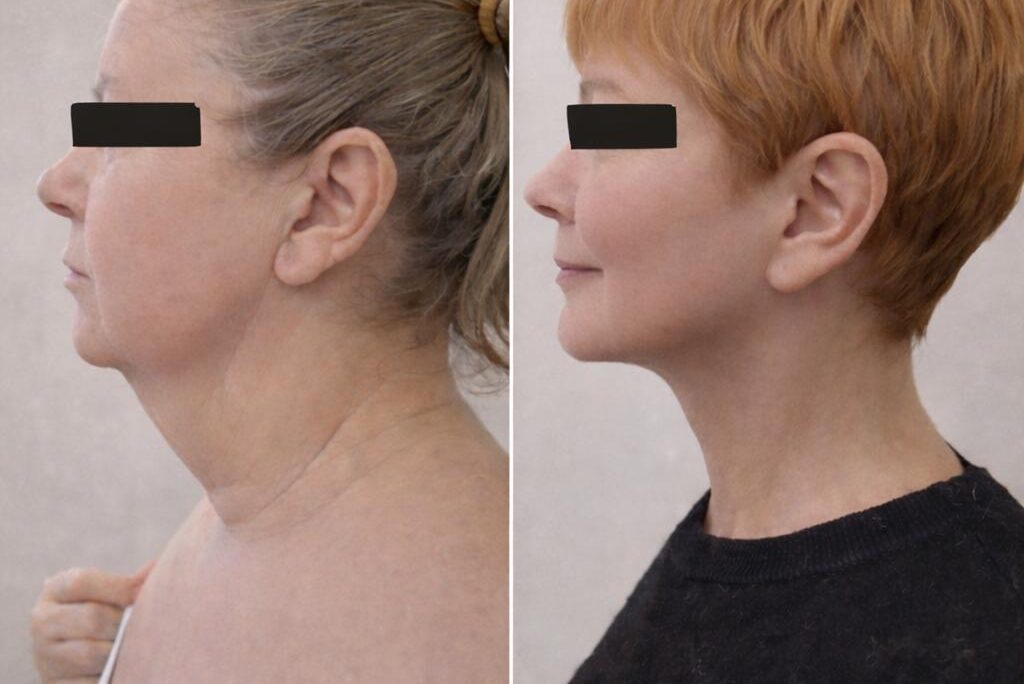
Walk through any drinks reception in London this season and the facelift question is no longer if, but which one. The deep plane facelift has become the most discussed surgical procedure in British aesthetic circles in 2026 — and for good reason. It addresses the structural causes of facial ageing rather than masking them, and the result, in the right hands, is the kind of result no one quite identifies as surgery.
Here is what every UK patient should understand about the deep plane facelift before booking a consultation.
What Makes the Deep Plane Different
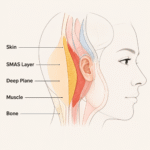
A traditional facelift lifts the skin and tightens the superficial muscle layer. A deep plane facelift works far deeper. It releases the ligaments that anchor the deep tissues of the face and repositions an entire compound flap of skin, fat and muscle as a single unit. Because the underlying structures are returned to their natural anatomical position, the result avoids the pulled, windswept appearance that ruined the reputation of facelifts a generation ago.
Why British Patients Are Asking About It Now
| Concern | How the Deep Plane Addresses It |
|---|---|
| Sagging midface and deep nasolabial folds | The midface is repositioned upwards as a single unit, restoring youthful cheek projection. |
| Jowls and an undefined jawline | Deep tissue release allows the jowls to be properly repositioned, not merely pulled tighter. |
| The dreaded “operated” look | Tension is borne by deep tissues rather than skin, eliminating the wind-tunnel appearance. |
| Longevity | Results typically hold for ten to fifteen years, considerably longer than skin-only techniques. |
Who Is a Suitable Candidate?
The deep plane facelift suits patients typically in their late forties through to their seventies who have visible midface descent, jowl formation, and laxity along the jawline. Younger patients with isolated concerns may be better served by less invasive options. A consultation will establish honestly whether the procedure is right for you, or whether something more conservative would serve you better.
Recovery: What City Life Demands You Plan For
Expect to take two to three weeks away from work. Most professionals return to in-person meetings at the three-week mark, with residual tightness and mild swelling that they alone are likely to notice. Social events and on-camera work are typically comfortable from week four onwards. Significant settling continues for three to six months; the final, fully natural appearance emerges over the first year.
Why the Surgeon Matters More Than the Technique
“Deep plane” has become a marketing term in some quarters of the industry. The technique only delivers its benefits in the hands of a surgeon trained in advanced facial anatomy and experienced in performing it. Before booking, ask how many deep plane procedures the surgeon performs each year, whether they are a member of BAAPS or BAPRAS, and request to see before-and-after photographs of their actual patients at six months and beyond.
Dr. Ferrando’s Approach
Dr. Giovanni Ferrando, FRCS (Plast), has been performing facial rejuvenation for over three decades. His philosophy on the deep plane procedure is consistent with his philosophy throughout his work: the technique serves the patient, not the other way around. He performs deep plane facelifts where they are indicated, and openly recommends alternative approaches where they are not.
Frequently Asked Questions
Is the deep plane facelift painful?
Most patients describe the first few days as uncomfortable rather than painful, well managed by prescribed medication. Tightness and a sensation of fullness predominate over true pain.
How long do the results last?
Ten to fifteen years is typical. The procedure does not stop the ageing process, but it resets your facial baseline by approximately a decade.
Will I have visible scars?
Incisions are placed within the hairline and the natural contour of the ear, becoming inconspicuous as they mature.
Can I combine it with other procedures?
Yes — many patients combine a deep plane facelift with upper or lower blepharoplasty (eyelid surgery) or a neck lift for a comprehensive, harmonious result.
References & Further Reading
Related articles from this clinic
- Facelift Aftercare
- Five Signs You Might Be Ready for a Facelift
- Plastic Surgery in Your 30s vs Your 50s
External authoritative resources
- BAAPS — British Association of Aesthetic Plastic Surgeons
- BAPRAS — British Association of Plastic, Reconstructive and Aesthetic Surgeons
Considering a facelift in London? Book a consultation with Dr. Giovanni Ferrando for a frank conversation about whether the deep plane procedure is right for you. View examples in the facelift gallery and learn more about our facial surgery services.
Helpful Resources & Next Steps: For patient results, explore our Before & After Gallery, discover our specialist post-treatment care including Regenerating Enhanced Filler Gel Serum, learn more in our Facial Rejuvenation section, read our companion guide: Facelift Recovery: Week by Week. To discuss your personal treatment plan, book a consultation with Dr Giovanni Ferrando.